
Industrial fastening and project hardware
Fasteners supplied around the specification, not assumptions
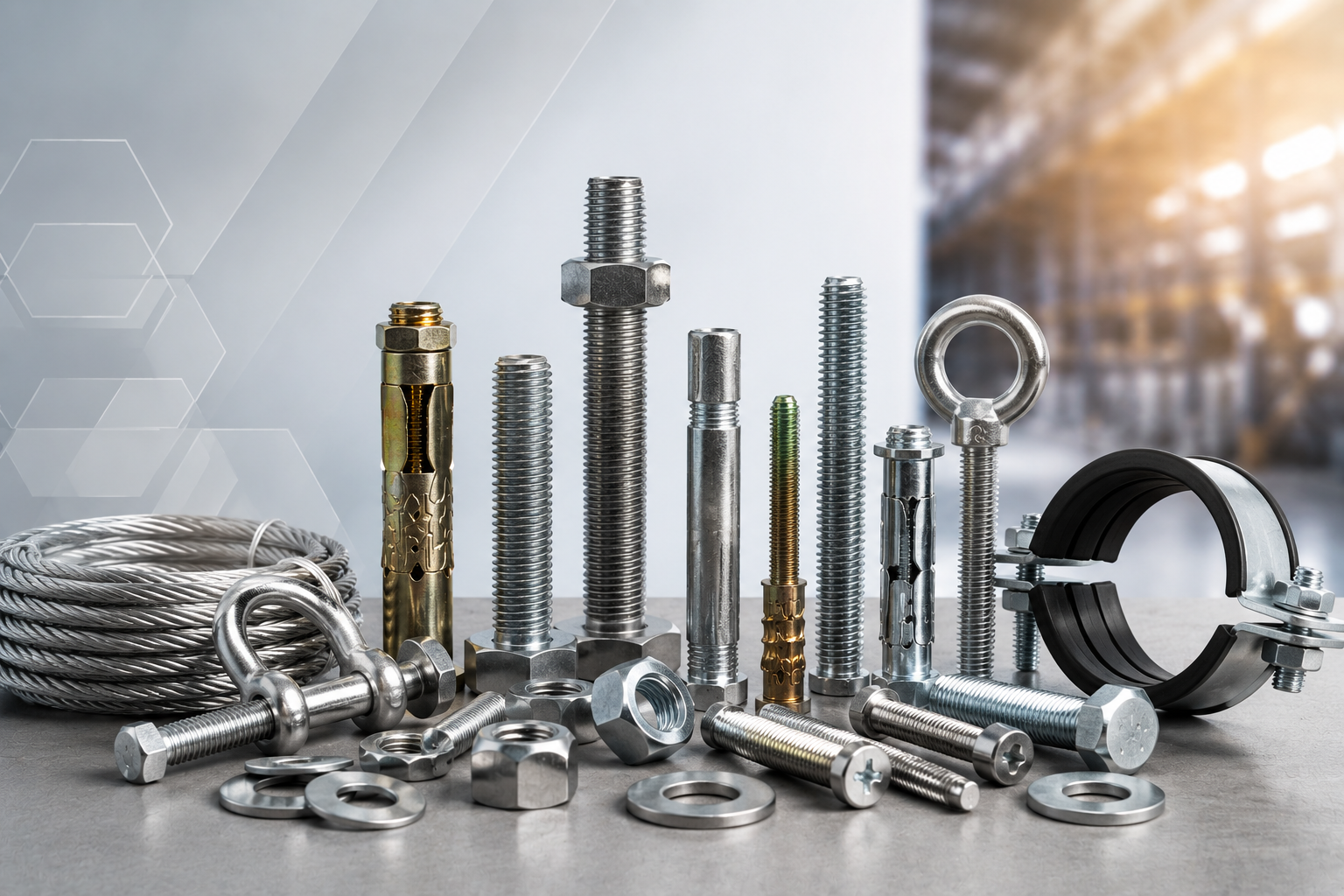
Shree OSR Enterprises manufactures, supplies and trades industrial fasteners, anchors, bolts, nuts, washers, clamps, threaded products and construction hardware for buyers across India. Share the size, grade, material, finish, quantity and delivery location; our team can help turn a general requirement or bill of materials into a clearer commercial enquiry.
- Standard and requirement-led supply
- Bulk and project enquiries
- Material and finish options
- Pan-India commercial support
Product, dimensions, standard or grade, material or coating, quantity and delivery city.
Choose your starting point
A quicker route from requirement to response
Different buyers arrive with different levels of detail. A contractor may know the application but not the anchor type; an OEM may already have a controlled drawing; a maintenance team may have a sample; and procurement may have a multi-line BOM. Use the route that matches what you know today.
I know the product
Go directly to the catalogue and compare the listed product families and individual items.
Open all productsI know the application
Start with base material, load, environment, installation access and service conditions.
Use the selection guideI have a BOM or drawing
Send controlled dimensions, material, grade, finish, tolerance and required documentation.
Send the requirementI need to identify an item
Share clear photographs, measured dimensions, existing markings and where the part is used.
Discuss on WhatsAppProduct family navigator
Build a supply list by function
The catalogue extends beyond one kind of bolt. Organising it by function helps buyers distinguish threaded fasteners from anchoring systems, supports, stone-fixing components, sealing materials and site-safety products. Open a family to review the current inventory, then confirm the exact specification and availability in your enquiry.
Bolts, nuts, rods and washers
For equipment assembly, steelwork, fabrication, maintenance and general industrial joints. Specify diameter, length, pitch, property class or material grade, thread coverage, finish, compatible nuts and washer arrangement. A shared nominal diameter does not guarantee that two products have the same performance or geometry.
Mechanical and chemical anchors
Anchoring is a system decision involving the base material, hole, embedment, fixture, edge distance, spacing, load direction, exposure and installation method. Browse wedge, sleeve, drop-in, projection, frame-fixing, hook-bolt and chemical-anchor products, but obtain project approval for the exact system where safety or structural performance is involved.
Stone-fixing clamps
C, L, T, Z and project-specific clamp forms support stone and façade work when coordinated with the stone, substrate, cavity, load, corrosion environment and installation detail. Treat the clamp shape as one input, not a complete façade design.
Strut and channel fittings
Slotted channels, spring nuts, post bases, beam clamps and channel brackets form coordinated support assemblies. Include profile size, slot and thickness, accessory compatibility, load arrangement and corrosion protection.
Pipe and hanger clamps
Clevis hangers, conduit clamps, sprinkler supports, rubber-lined clamps and U-clamps should be matched to pipe outside diameter, load, movement, insulation, support spacing and service environment.
Neoprene foam products
Closed-cell sheets and adhesive-backed options can support sealing, spacing, cushioning and isolation tasks. State thickness, width, density or hardness where known, adhesive requirement, exposure and quantity.
Construction safety products
Helmets, gloves, footwear, reflective clothing and related site products require selection against the task and hazard assessment. State the required standard, size range, colour, duty and quantity rather than ordering on appearance alone.
Flanges, clamps and accessories
Grating clamps, flanges, brackets, wire, rope and complementary hardware can be consolidated with fastener requirements where availability and specifications align. Separate each line item clearly to prevent substitutions hidden inside a broad description.
Frequently sourced
Start with a product page, finish with a specification

Hex Bolts and Screws
Metric full- and partial-thread fastening options for industrial joints.
Review hex bolts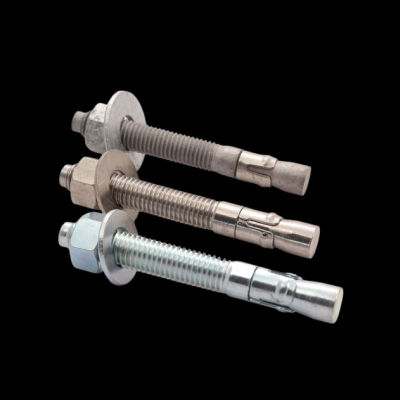
Wedge Anchors
Expansion anchors for approved solid-concrete fixing applications.
Review wedge anchors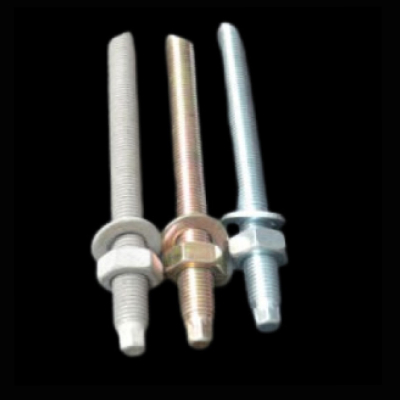
Chemical Anchors
Stud and material options to coordinate with an approved resin system.
Review chemical anchors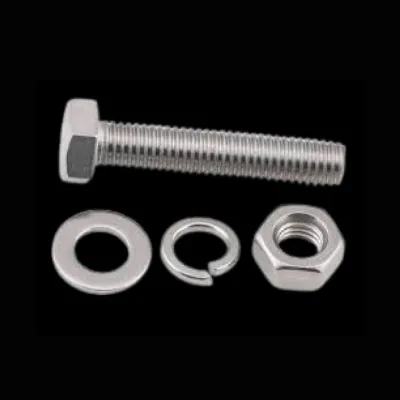
Stainless Bolt Sets
Bolts, nuts and washers for requirements specifying stainless material.
Review stainless sets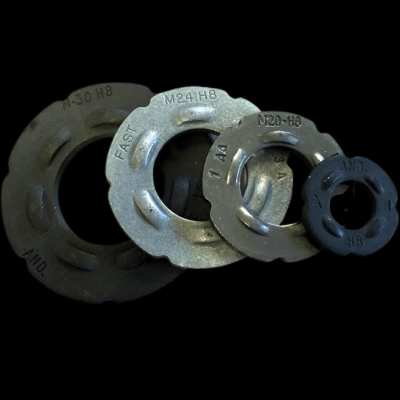
DTI Washers
Preload-indicating components for specified structural bolting assemblies.
Review DTI washers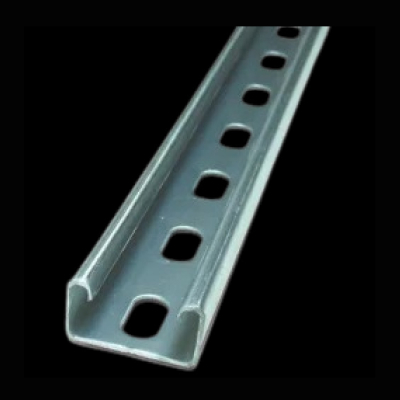
Slotted C Channel
Channel profiles for coordinated electrical, mechanical and support assemblies.
Review slotted channels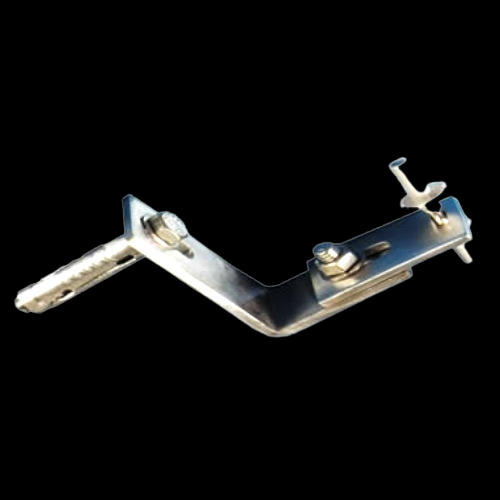
Cladding Clamps
Stone-fixing components for project-specific façade and cladding details.
Review cladding clamps
Clevis Hanger Clamps
Pipe-hanging components to coordinate with size, load and support spacing.
Review clevis hangersAvailability is enquiry-specific. Product pages describe the current commercial range and selection considerations; they are not automatic confirmation that every size, grade, finish or quantity is in ready stock. Request a written quotation for the exact combination your project requires.
Build a quote-ready enquiry
Six details that prevent expensive ambiguity
“Send your best price for bolts” invites assumptions. A useful industrial fastener RFQ separates the product geometry, mechanical requirement, environmental protection, quantity and delivery terms. That produces a quote you can compare line by line—and reduces the risk that the lowest number represents a different item.
Name the item and joint
State bolt, nut, washer, rod, anchor, clamp, bracket or other product. Add where it is used and the mating components. For anchors, identify the base material and fixture. For supports, identify what is being carried. This context helps expose a mismatch before price becomes the only comparison.
Give dimensions without shortcuts
Include diameter, nominal length, pitch, thread coverage, head or drive style and any relevant thickness, width, hole or slot. For a non-standard item, attach a controlled drawing with units, tolerances, revision and finish notes. A sample can support identification but should not silently replace the drawing.
Separate standard, grade and load
State the dimensional standard and mechanical property class or material grade where known. If selection is based on a load, provide the design context and approved performance criteria rather than asking the seller to infer a universal safe load from diameter alone. Critical joints require engineering approval.
Define material and surface protection
Mild steel, heat-treated steel, stainless steel and brass are not interchangeable labels. Add the required grade and surface condition: plain, zinc plated, hot-dip galvanised or another approved coating. Describe indoor, outdoor, humid, coastal, chemical or high-temperature exposure when the finish is not yet fixed.
Use line-item quantities and packaging needs
Give the quantity for each size and variant—not only a total project weight. State whether nuts and washers are included, whether matched sets are needed, and whether packing must be by size, assembly, box, bundle or project area. Mention labelling, batch traceability or preservation requirements before quoting.
Add location, date and documents
Provide the delivery city, PIN code, required-at-site date and whether supply may be split. List inspection, test certificate, material certificate, coating report, sample approval or third-party inspection needs at RFQ stage. Documentation has cost and lead-time implications and should not appear only after order placement.
Hex-head bolt, ISO 4014, M16 × 80 mm, coarse thread, property class 10.9, specified zinc finish, with compatible nut and two plain washers, 2,000 sets, lot-marked packaging, delivery to Pune, required date __, documentation __. Replace every placeholder with the approved project requirement.Material and finish
Specify protection for the service environment
A finish can change corrosion behaviour, dimensions, thread fit, appearance, installation friction and cost. It cannot rescue the wrong base material or turn a generic fastener into an approved structural component. The project specification, exposure and mating assembly should determine the selection.
| Option | Often considered for | Confirm before ordering | Common mistake to avoid |
|---|---|---|---|
| Mild steel / plain | Controlled indoor conditions, fabrication, temporary assembly or applications receiving another protection system. | Steel grade, oiled or dry condition, storage, final painting or coating, and whether the joint will see moisture. | Using “MS” as if it defines strength, dimensions and finish. It describes a broad material family, not a full fastener specification. |
| Zinc plated | General indoor or mildly exposed components where a thin metallic coating and clean finish are suitable. | Coating system, thickness or specification, colour/passivation where relevant, corrosion target and restrictions for high-strength steel. | Treating every zinc coating as identical, or assuming a thin plated finish equals hot-dip galvanising in severe outdoor exposure. |
| Hot-dip galvanised | Outdoor steelwork, infrastructure and construction environments where a heavier zinc coating is specified. | Governing galvanising standard, coating thickness, centrifuging, thread allowance, nut compatibility, appearance expectations and repair method. | Pairing coated bolts with nuts that have not been prepared for the coating thickness, creating thread-fit or assembly problems. |
| Stainless steel | Architectural, food-related, humid, outdoor, marine-adjacent or process settings where the selected alloy suits the exposure. | Exact alloy or property class, such as the project-approved 304/A2 or 316/A4 family, surface finish, galling control and chloride conditions. | Ordering “SS” without a grade, or assuming stainless never corrodes. Grade, finish, design and cleaning all influence performance. |
| Heat-treated / high tensile | Joints requiring a defined metric property class or other mechanical performance under the applicable standard. | Property class, product standard, compatible nut and washer, coating-process limits, test documentation and installation procedure. | Using colour or appearance to identify grade, or assuming higher tensile strength is automatically better for every joint and environment. |
| Special coating system | Project, OEM, chemical, friction-controlled or severe-corrosion requirements with a named approved coating. | Coating specification, colour, thickness, cure, friction coefficient if relevant, masking, inspection, handling and touch-up requirements. | Accepting a trade name without the required performance and application specification, making quotations impossible to compare reliably. |
Match the whole assembly
Bolt, nut and washer materials and coatings should be compatible with one another and the connected materials. Mixed metals, coating thickness, washer hardness and lubrication can alter corrosion risk and tightening behaviour. Review the assembly—not only the most visible component.
Use the buyer’s comparison guide
For a deeper commercial comparison of mild steel, HDG, stainless steel and heat-treated products, read the fastener material and finish guide before releasing an RFQ.
Anchoring systems
Mechanical or chemical is only the first decision
The correct anchor depends on the approved substrate, load direction, cracked or uncracked condition where applicable, concrete strength and thickness, edge distance, spacing, embedment, fixture, environment, drilling and cleaning procedure, installation access and required approvals.
Browse anchor productsMechanical anchors
Wedge, sleeve, drop-in and related anchors develop their fixing action through a defined mechanical mechanism. Selection can be convenient, but installation tolerance and substrate conditions remain decisive.
- Confirm the exact compatible base material.
- Check fixture thickness and effective embedment.
- Respect edge distance, spacing and member thickness.
- Use the specified drill size, cleaning and installation torque.
Chemical anchors
A bonded system combines resin, mixing method, hole condition and compatible stud or rebar. The stud alone is not a complete chemical anchor, and one resin does not have universal performance in every substrate or temperature.
- Identify cartridge/resin system and anchor element.
- Confirm hole cleaning and curing conditions.
- Check base material, moisture and installation direction.
- Use approved data for diameter, embedment and load case.
Applications shape the specification
Fastening needs change with the industry
The same catalogue item can face different loads, exposure, installation methods and inspection expectations in a factory, infrastructure project, façade or pipe-support system. These application routes help buyers identify the information that should accompany an enquiry; they do not replace the project design or approval process.
Connections that must coordinate with drawings, site conditions and programme
Structural bolts, anchors, foundation bolts, threaded rods, channels, brackets and construction hardware may be sourced across several work packages. Separate permanent from temporary works; identify concrete or steel substrates; state exposure, design reference and required-at-site dates. For embedded or post-installed anchors, resolve position, edge distances, installation access and approval before procurement.
Open the procurement checklistRepeatability across assemblies
Controlled drawings, revision status, tolerances, plating, torque assumptions, samples and packaging influence repeat supply. Identify whether the item is a catalogue standard, modified standard or drawing-based component.
Discuss an OEM enquiryHigh-load equipment joints
Machinery, frames and heavy assemblies may need defined property classes, matched nuts and washers, traceability and controlled tightening. Do not substitute a higher-looking grade without design review.
View structural fastenersCoordinated supports from channel to clamp
Electrical containment, HVAC, fire-protection and pipe-support assemblies depend on compatible channel profiles, spring nuts, hangers, brackets, anchors and clamps. State the support arrangement, services carried, pipe or conduit diameter, spacing, movement and environmental conditions. A component that fits the slot is not automatically verified for the applied load.
Browse strut and support fittingsMaintenance and project supply
Shutdown schedules, outdoor exposure, mixed legacy standards and documentation can complicate purchasing. Record existing markings and dimensions carefully, then confirm the replacement basis.
Search the catalogueMaterial control matters
Process environments may impose strict material, temperature, corrosion, coating and certification requirements. Supply should follow the project-approved specification and inspection plan.
Send the project specificationCorrosion is an assembly issue
Humidity, chlorides, crevices and mixed metals affect material selection. Specify the exact stainless grade or coating system and consider mating materials and maintenance.
View stainless bolt setsProject-specific fixing geometry
Cladding clamps and stone anchors must coordinate with panel type, stone thickness, cavity, substrate, loads, corrosion exposure and installation detail. Shape alone is not a design.
Read the cladding-clamp guideFor maintenance identification: photograph the installed assembly and markings, measure the item after safe removal, note the equipment and service conditions, and retain the old part until the replacement is approved.
For new projects: issue the latest drawing, data sheet, bill of quantities, approved makes or equal criteria, inspection requirements, delivery schedule and clear responsibility for final technical acceptance.
From enquiry to dispatch
A practical supply workflow
Fastener purchasing moves more smoothly when technical and commercial decisions are closed in sequence. The exact process changes with the product, quantity, customisation and inspection plan, but these five gates make responsibility visible.
Requirement review
The buyer shares specifications, drawings, quantities, location, schedule and documents. Ambiguities and missing lines are identified before a final offer.
Scope alignment
Product description, standard, material, grade, finish, accessories, packing and exclusions are aligned. Any proposed alternative is written as a separate option.
Commercial offer
The quotation states unit or lot basis, taxes, freight position, lead time, validity, payment terms and the precise line-item scope.
Approval and fulfilment
The buyer approves the offer, sample or drawing where required. Supply, sourcing or manufacture then follows the accepted specification and revision.
Inspection and dispatch
Agreed checks, documents, packing and marking are completed before dispatch. Delivery is coordinated against the confirmed destination and schedule.
Keep substitutions visible
If the exact requested item is unavailable, an alternative should identify every changed characteristic: standard, size, grade, material, finish, manufacturer, documentation, performance basis, lead time and price. The buyer or responsible engineer then decides whether the alternative is acceptable. Silent substitution is not a procurement shortcut.
Quality starts before testing
Make acceptance criteria part of the order
“Good quality” is not an inspectable requirement. A useful purchase description connects the product to an edition of a standard, drawing or approved sample, then states the material, grade, finish, dimensions, testing, documentation, marking and packaging that will determine acceptance.
Use the industrial fastener procurement checklist to organise the technical and commercial review.
Define the controlling reference
Name the standard and edition where the project requires one, or attach the controlled drawing. If several references apply, separate dimensional, mechanical, material, coating and inspection requirements. Do not assume a grade marking also establishes dimensions or finish.
Agree what will be measured
Dimensions may include diameter, pitch, length, across-flats size, head height, thread length, thickness, hole or slot and coating allowance. For drawing-based items, identify critical tolerances and inspection method instead of treating every dimension equally.
Request relevant evidence
Material or test certificates, chemical or mechanical results, coating reports, dimensional inspection, sample approval and third-party inspection are different deliverables. Ask only for what the project needs, but ask before pricing so scope and lead time are comparable.
Protect identity through packing
Size, material, grade, finish, quantity, batch or heat reference where applicable, purchase-order line and project tag may need to remain identifiable after packing. Mixed loose hardware can destroy traceability even when the original product was correct.
Control receiving inspection
The receiving team should compare delivered markings, quantity, dimensions, finish condition and documents with the accepted order—not with a generic photo. Quarantine unclear or damaged items until the discrepancy is resolved.
Bulk, BOM and requirement-led enquiries
Standard product or custom requirement?
A standard product should be ordered with its governing standard, size, grade, material, finish and quantity. A modified standard may change thread length, point, coating, drilling, machining or another controlled feature. A custom component needs an approved drawing or specification that removes interpretation.
For multi-line projects, send the original spreadsheet or structured BOM rather than screenshots. Keep one row per variant and include item code, description, size, standard/drawing, material, grade, finish, unit, quantity, required date, delivery location and document needs. This makes commercial comparison, order entry and later reconciliation much safer.
Shree OSR Enterprises can review standard, bulk and project-specific enquiries within the available manufacturing and supply scope. Feasibility, minimum quantity, tooling, sample approval, inspection and lead time must be confirmed for the exact requirement.
Technical buying resources
Learn before you release the RFQ
How to choose the right industrial fastener
Work from joint function, load, material, environment and installation instead of copying only a product name.
Read the selection guideIndustrial fastener checklist for purchase teams
Organise technical scope, documents, packaging, delivery and quotation comparison before order placement.
Use the buyer checklistMS vs HDG vs stainless vs heat-treated
Understand what each term controls, what it leaves undefined and which questions belong in the RFQ.
Compare material optionsChemical anchor vs mechanical anchor
Compare the fixing principles and the project inputs that influence an approved anchor-system decision.
Compare anchor systemsACME, EN8, GI and stainless threaded rods
Learn why thread form, material, finish and application should be separated in a threaded-rod enquiry.
Compare threaded rodsHSFG fasteners for structural engineers
Review assembly, preload and documentation concepts before treating “HSFG” as a complete purchase description.
Read the HSFG guideWhy Shree OSR Enterprises
A practical partner for industrial product sourcing
Shree OSR Enterprises is based in Netaji Subhash Place, Delhi, and serves businesses seeking fasteners, anchors, clamps, threaded products, support hardware and related industrial supplies. The value of a sourcing partner is not a collection of uncheckable superlatives; it is the ability to understand the requested line, expose missing information, quote the stated scope and support the buyer through approval and delivery.
The catalogue brings many product families into one place, while the technical resources help buyers prepare stronger enquiries. For company background, contact information and the published office details, visit About Shree OSR Enterprises.
Fasteners, anchors, clamps, supports, construction hardware and complementary project products.
Commercial responses can be aligned to size, grade, material, finish, quantity and location.
Catalogue items, bulk BOMs and drawing-based requirements can be reviewed for feasibility.
Delivery planning begins with the destination, required date, packing and shipment scope.
Questions buyers ask first
These answers define the next step without making blanket availability, certification, performance or lead-time claims.
What industrial fasteners does Shree OSR Enterprises supply?
The live range includes bolts, nuts, washers, threaded rods, mechanical and chemical anchoring components, clamps, strut fittings, stone-fixing hardware and related products. Start at the complete product catalogue because availability depends on the exact size, material, grade, finish and quantity.
Can I request bulk quantities for a construction or industrial project?
Yes, bulk and multi-line enquiries can be submitted for review. Send the BOM in a structured file with one row per variant, plus project location, delivery schedule, packaging and documentation requirements. The quotation should confirm feasibility, commercial terms and lead time for the requested scope.
Do you manufacture custom fasteners from drawings?
Drawing-based and modified-standard requirements can be reviewed within the available scope. Provide the approved drawing revision, material, tolerances, thread specification, finish, quantity, inspection plan and sample requirements. Manufacturing feasibility, tooling, minimum quantity and lead time must be confirmed in writing.
Which details are needed to receive an accurate fastener price?
At minimum, provide product name, diameter and length, thread or geometry, standard or drawing, material or property class, finish, quantity and delivery city. Include nuts, washers, certificates, packing and required date where applicable. A complete RFQ makes supplier quotations easier to compare.
Can you recommend a fastener or anchor from an application description?
The team can help clarify product options and the information needed for selection. Final approval remains with the responsible buyer, engineer or project authority, especially for structural, overhead, façade, seismic, lifting, pressure or other safety-critical use. Verified product data for the exact supplied item must support the decision.
Are stainless steel, HDG and high-tensile options available?
The catalogue includes products described in stainless steel, mild steel, HDG, GI and heat-treated or high-tensile forms. Do not order from the family label alone: state the exact alloy or property class, product standard, coating requirement, mating components and exposure. Availability is then confirmed in the quotation.
Do product pages confirm ready stock?
No. A product page confirms that an item is within the published range; it does not guarantee every combination of diameter, length, grade, finish and quantity is physically available. Request written confirmation for the exact line items and required delivery date.
How can I contact the sales team?
Use the contact page, call +91 82873 86613, email sales@shreeosrenterprises.com, or send the requirement through WhatsApp. Include a BOM or drawing link only if you are authorised to share it.
Ready for a commercial response?
Send a requirement the sales team can act on
Attach the BOM or approved drawing, identify the standard or grade, and state material, finish, quantity, delivery city and required date. If the specification is incomplete, describe the application and mark every undecided field clearly instead of asking the supplier to guess.